


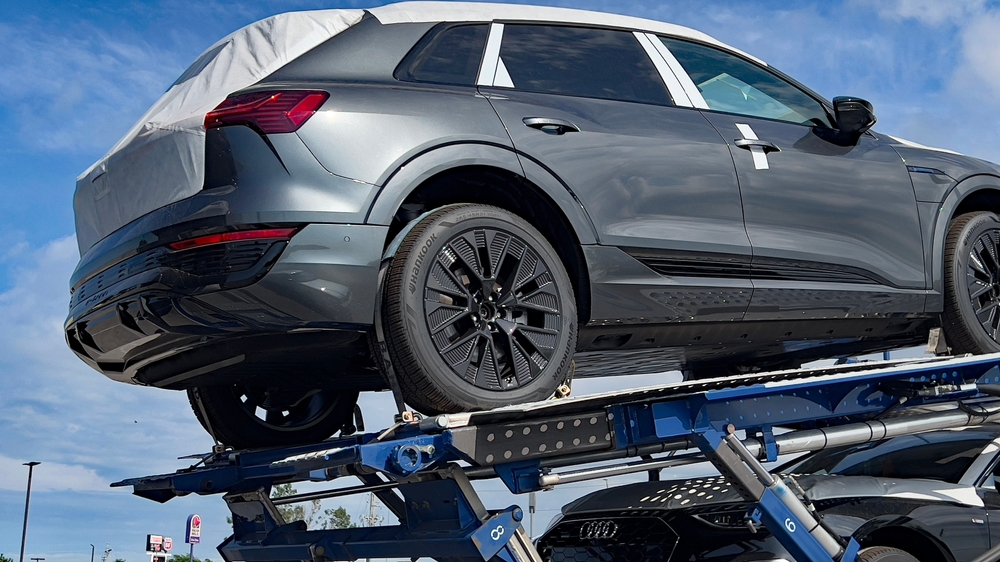
Say you just landed the car you’ve wanted for years. Now it has to cross the country, and that part rattles most owners more than the price did. The smart move is to pull a few luxury car shipping quotes and read past the bottom number, because the cheapest one rarely tells the full story. Two companies can charge the same and treat your car like night and day. One leaves it in the open. The other locks it away. Which fits? Depends on the car.
1. The Two Ways A Car Travels
Cars travel one of two ways, and the only real difference is a roof. Open carriers run your car out in the breeze on a tall rack packed with other vehicles. You pass them on the freeway all the time. Enclosed carriers shut your car in a solid box where nothing touches it until it’s back in your hands. Open is cheaper since the truck hauls more cars per trip. Enclosed costs more because it carries fewer and treats each one like glass. Most folks fixate on price. That’s the trap. What matters is how much risk you’ll let your car soak up on the way.
2. When The Open Route Just Makes Sense
Plenty of cars don’t need pampering, and paying for it anyway just burns money. If your car already lives a normal life, open works great. That’s the sweet spot for open trailer car transport, the method that moves most cars on the road without making you wince. Reach for it when:
- It’s your daily driver, or a recent buy with miles already on it.
- You’re going far, and the savings hit the hundreds, which buys a lot of detailing.
- You need it gone soon, since these trucks run constantly and load fast.
- Your car sees rain anyway, so a little weather is nothing.
The trade is small. Some sun, a few bugs, maybe road grit. For a car that parks outside, that’s barely a thought.
3. Why Certain Cars Belong Behind Closed Doors
Now flip it. You’ve got a garage queen, a low-mile exotic, or paint worth more than most used trucks. Gambling suddenly feels dumb. Enclosed shipping seals your car in a hard or soft-sided shell that blocks weather, gravel, and curious hands the whole way. Many use lift gates instead of steep ramps, which saves your bumper when the car sits low. Some carry one car at a time. Sure, it can run fifty percent more. Then you learn what a single rock chip costs on a hand-painted panel, and the math flips fast. Garage-kept owners rarely look back. After one cross-country trip with zero swirl marks, the extra cost feels like cheap insurance.
4. What Separates A Real Crew From The Rest
Anybody can drag a trailer. Moving a six-figure car without a mark is a whole other skill, and you spot the difference fast. That’s why people looking into car hauling services should pay attention to the details seasoned transport crews never skip:
- Soft straps and wheel nets that grip the tires, never the body
- Drivers who load a car with two inches of clearance and don’t flinch
- Insurance that matches what your car is worth, not a token number
- Photos at pickup and drop-off, plus a record of every existing scuff
Budget outfits skip half of this and hope for the best. When it goes wrong, you’re the one on hold with a claims office. Pay for the crew that picks up mid-trip, and you’re buying peace of mind.
5. How To Read A Quote Before You Sign
A number alone tells you nothing. The truth lives in the fine print, so dig there. Ask what the coverage limit really is, since every carrier has some insurance on paper. Check if it’s door to door or if you’ll drive two towns over to grab your own car. Pin down the deductible, the pickup window, and that low price that loves to swell after you sign. If the answers get slippery, walk away. A good company writes it all down and explains it without dodging. The lowest bid almost never wins. The smart pick is the one with the fewest nasty surprises hiding in the back.
So where does that leave you? Open carriers save money and handle most cars fine, while enclosed trucks exist for the ones you’d hate to see scuffed. Neither is wrong. The one mistake is shopping on price alone and learning too late what that bargain left exposed. Look at your car honestly, ask what the worst scratch would cost, and set that next to the gap in the quotes. Match the protection to the car, confirm the insurance, and read every line. Do that, and your car shows up looking just like it left.
“Got a car worth showing off? Call our experts now at 954-835-4687 and let High End Transport haul it like the showpiece it really is.”
FAQs
Q1: How early should I book before I need the car moved?
Give it one to two weeks if you can. The busy routes and the covered trucks fill up fast, and a little head start keeps you from paying extra for a rush or fighting for a slot.
Q2: Can I leave my belongings in the car while it ships?
Better to empty it out and leave the tank about a quarter full. A lighter car loads easier, and loose stuff tends to slide and scratch the inside on a long trip.
Q3: What actually decides the cost of moving a pricey car?
It comes down to how far it’s going, how big the car is, and how much protection you want. Rare or low-slung cars sit at the top of the range because they need special gear and a much gentler touch.