

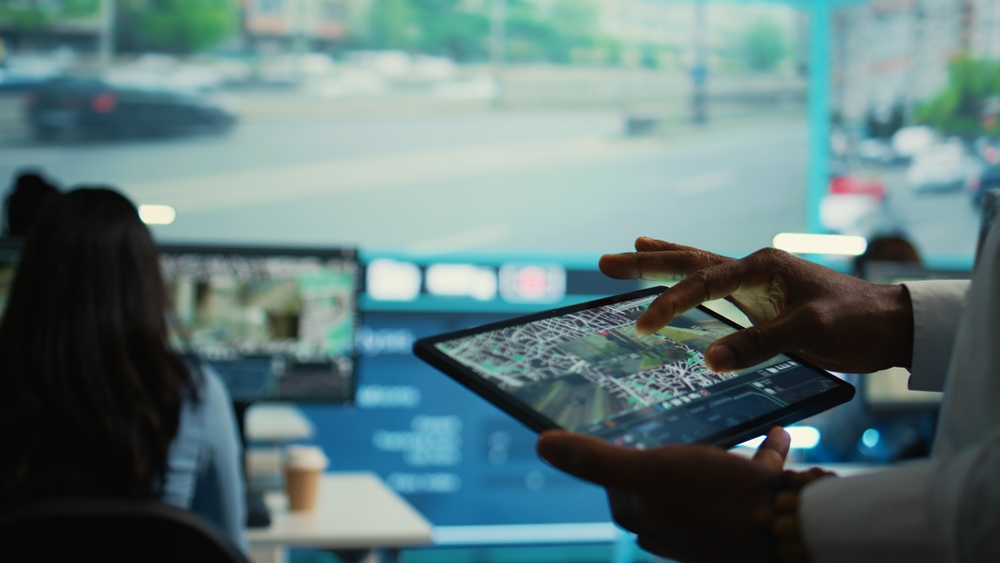
Booking a car transport used to feel a lot like sending a bottle into the ocean and waiting. You’d hand over your keys, the driver would wave goodbye, and the next two weeks were a guessing game. Then 2026 rolled in. Now, folks expect to track my car shipment from a phone, watching every state line and rest stop scroll past in real time. GPS modules sit on every carrier, dashboards refresh every few minutes, and your sedan stops being a vague rumor on someone’s clipboard. It becomes a small dot on a screen, ticking along a highway, right where it should be. Honest, simple, and just a little bit overdue.
1. Why GPS Beats Yesterday’s Phone Calls
Phone calls had personality. They also dropped the ball constantly. A driver napping in a rest area at 3 a.m. wasn’t going to ring you. Dispatch could miss your delivery window by half a day. GPS solves that. A little transponder on every truck pings out coordinates every couple of minutes, so customers receive real time auto transport updates without ever lifting a phone. You see your car cross into Tennessee. You see it stop for diesel outside Nashville. You see it crawl into your driveway right when the app said it would. We watched our call volume drop 40 percent the year we rolled this out, mostly because folks stopped phoning to ask, “Where’s my car?” That’s a lot of saved coffee for our dispatchers, and a lot less anxiety for everyone else. Visibility, as it turns out, is a small thing that quietly fixes a really big one. Funny how that works.
2. What’s Inside a Wired-Up Car Carrier
Pop the hood of a 2026 hauler, and you’ll find more silicon than gear oil. Every rig now carries a telematics box about the size of a paperback, wired into the engine bus, the door sensors, and a chunky GPS antenna up top. That little box pulls double, triple, quadruple duty. It logs coordinates every 30 seconds, watches fault codes, tracks driver hours, flags hard braking, and notices when a truck strays from its planned path. If a hauler idles 45 minutes outside a known stop, dispatch gets a ping. If it breaks too hard, an event fires off. All that data flows to a central platform, then drips down into a customer-facing view showing what matters: where your car sits, how fast it’s moving, and when it’ll show up. Less truck, more rolling computers. Honestly, our drivers joke that the box knows more about them than their own dog does.
3. Alerts That Actually Tell You Something
Old auto transport notifications followed a rhythm that bordered on rude. An email at pickup, an email at drop-off, and dead silence in between. Today’s high-tech car shipping flips all of that on its head. You get a buzz when your vehicle is loaded, a ping when it crosses a state line, a heads-up at 30 miles out, and a final nudge when the driver is two stops away. Some folks set up custom alerts, like a chime when their car enters a specific ZIP. Smart? Yep. A bit obsessive? Also, yep, but customers eat it up. Done right, alerts feel like a friendly tap on the shoulder, not a barking phone. We’re not here to drown anyone in pings. We’re here to share the moments that matter, then quietly back off until something genuinely changes. Big difference. Most folks don’t realize how loud bad notifications are until they stop.
4. Behind Every Dashboard, Smarter Brains
Live tracking is the part you notice first, but the real work happens behind the scenes. Systems process millions of data points daily, comparing planned routes with live road conditions. When delays, traffic, closures, and weather occur, drivers get better paths instantly. Arrival times aren’t guesses; they’re shaped by past traffic patterns and current flow. Drivers follow clear directions on in-cab screens, while customers get simple updates every few minutes. Even trailer conditions are monitored. What once relied on paper now runs on data, and it shows.
5. Confidence Built on Live Information
Trust in auto transport always boiled down to a feeling. Customers handed over a $40,000 vehicle and crossed their fingers. Live data rewrites that math. Knowing your truck is rolling along a specific stretch of I-40 outside Little Rock turns dread into a tiny widget on your phone. Folks plan their day around a real arrival window instead of clearing eight hours of calendar for a maybe-3 p.m drop-off. Insurance documentation gets cleaner, too, because every event timestamp, every speed reading, and every route deviation is automatically captured. Disputes drop. Refund requests drop. Customer satisfaction climbs because expectations finally line up with reality. Peace of mind, it turns out, doesn’t come from a sales pitch. It comes from a screen you can refresh whenever you want. Tech didn’t make car shipping warmer or fuzzier. It made it honest.
Auto transport spent decades behaving like a black box, and customers paid for it in lost sleep and unanswered phone calls. 2026 finally drags this whole industry into a place where every truck broadcasts its position, every milestone fires off an alert, and every customer holds a live map of their vehicle’s path in their pocket. GPS and smart logistics aren’t optional extras anymore. They’re the price of admission. Trust isn’t built on promises. It’s built on data you can actually see, day or night.
“Stop guessing where your car is. High End Transport puts every shipment on a live screen, with answers one tap away. Call us now at 954-835-4687.”
FAQs
1: How precise is the GPS data on a moving carrier?
Pretty sharp. Coordinates refresh every couple of minutes, so what you see on your dashboard is rarely more than a mile or two off from where your truck actually sits. For most folks, that’s accurate enough to plan a coffee run around.
2: What if a carrier breaks down between pickup and drop-off?
Telematics flags any unusual idle time or fault code instantly. Dispatch reaches out within minutes, lines up a backup hauler when needed, and your dashboard updates with revised timing. Nothing about a breakdown stays hidden from a customer.
Q3: Can I set up custom alerts for my vehicle?
Absolutely. Most clients pick from a menu of triggers like state line crossings, fuel stops, or specific ZIP code entries. Some go light. Some go heavy. We adjust to whatever feels right for your peace of mind.